

Leadership Must Evolve Faster Than Complexity.
Systemic Team Transformation and Executive Acceleration for organizations navigating hybrid friction, digital transition,
and AI-driven disruption.
The risk is not lack of talent
✳︎
It is misalignment, cognitive overload
✳︎
and outdated thinking systems.
✳︎
The risk is not lack of talent ✳︎ It is misalignment, cognitive overload ✳︎ and outdated thinking systems. ✳︎
The Leadership Gap of 2026
-
![]()
Alignment Is Fracturing
Hybrid work has quietly weakened strategic cohesion.
-
![]()
AI Is Exposing Decision Quality
Automation amplifies clarity — or confusion.
-
![]()
Burnout Is Hidden Behind Performance
High performers are silently eroding.
-
![]()
Tools Outpace Thinking
Digital maturity is not leadership maturity.
-
![]()
Individual Brilliance Is Not Enough
Systemic dysfunction neutralizes talent.





“Leadership must be strengthened at the system level.”
FOR ORGANIZATIONS & HR LEADERS
Systemic Team
Transformation
Recalibrate how leadership teams think, align, and execute together.
- Restore cross-functional trust
- Improve decision clarity under ambiguity
- Resolve structural friction
- Strengthen collective accountability
- Align leadership behavior with enterprise goals
From siloed competence to cohesive execution.
A strategic assessment of leadership alignment and readiness.
FOR CXOS & SENIOR LEADERS
Executive
Acceleration
Move from operational excellence to strategic indispensability.
- Sharpen strategic thinking
- Increase cognitive flexibility
- Elevate executive presence
- Improve influence under pressure
- Lead confidently in AI-driven contexts
From plateaued performance to accelerated leadership impact.
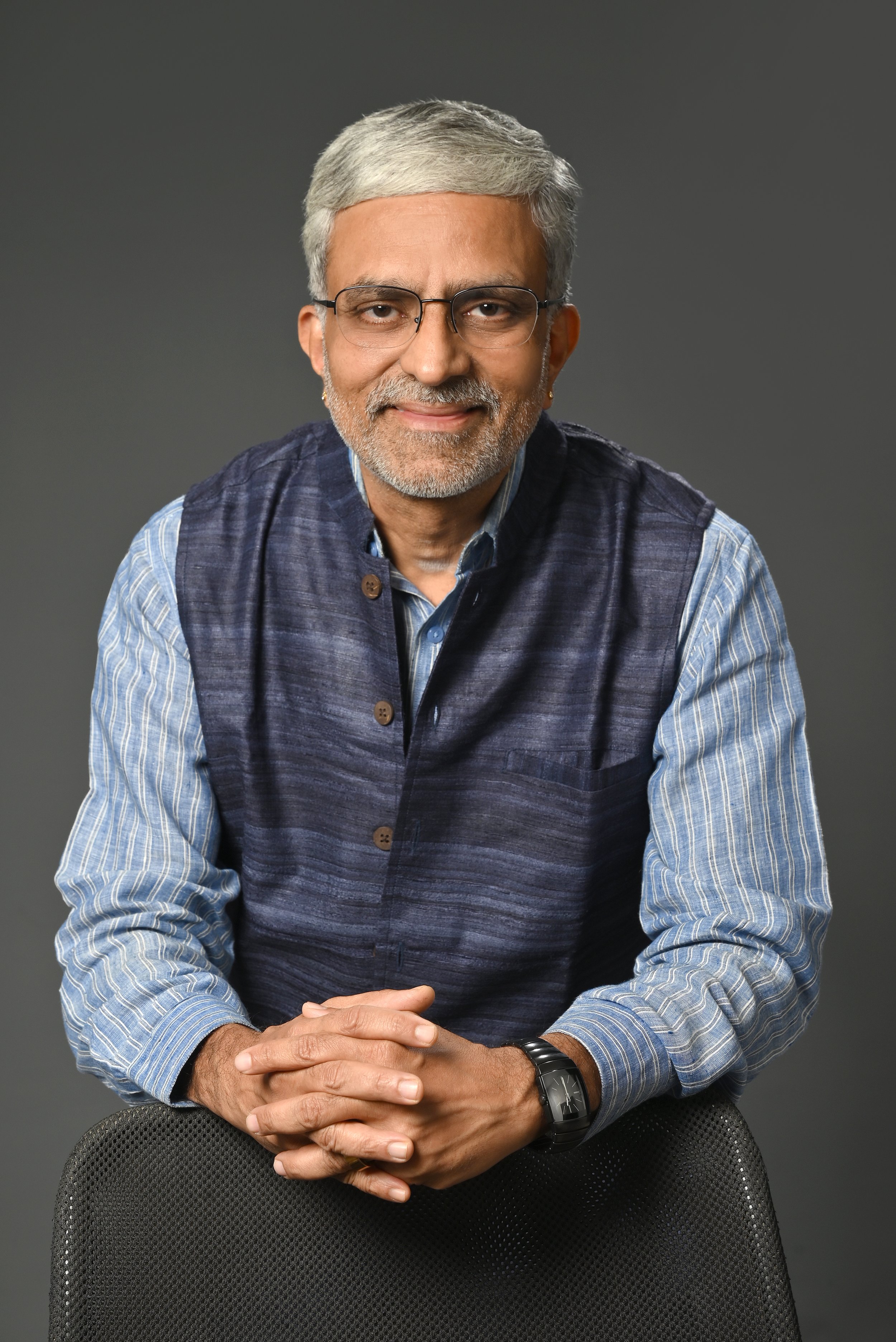
Strategic Thinking Partner
I spent 25 years inside complex corporate systems, including 12 years within a Fortune 10 organization, navigating transformation and performance pressure at scale.
My work is not about motivational coaching. It is about strengthening how leadership systems think.
In high-ambiguity environments, clarity becomes competitive advantage. I partner with leaders and teams to recalibrate decision quality, cognitive resilience, and systemic trust.
Not to inspire. But to strengthen.
TRANSFORMATION OUTCOME
From Silos to Systemic Trust
A leadership team doesn’t “improve” by trying harder. It shifts when alignment becomes visible, decision-making becomes shared, and trust becomes the default.
Fragmented leadership. Slow execution.
-
Decisions delayed — because ownership is unclear.
-
Polite conversations — masking strategic misalignment.
-
Cross-functional tension — teams protect territory.
Shared clarity. Faster decisions.
-
Disagreement is productive — conflict becomes useful.
-
Trust is assumed — not negotiated in every meeting.
-
Execution accelerates — because alignment is visible.
What changes, in practice
-
1
Leaders stop defending territory.
Roles become clear. Hand-offs improve. Less second-guessing.
-
2
They think together.
Shared decisions replace “meetings for updates”.
-
3
The organization moves faster.
Not because pressure increased — but because clarity did.
That is the shift.